
Articles
Social Emotional Development in Preschoolers: From Disruptions to Development
Preschool classrooms are filled with teachable moments. More than obstacles, instances of meltdowns or classroom interruptions offer valuable opportunities for educators to guide children in developing emotional awareness, self-regulation, and social skills.
At this stage of development, children are still learning to navigate their feelings and social interactions. When a child struggles to take turns, reacts aggressively, or withdraws from his or her peers, it is often more effective to look beyond the behaviour and consider its underlying causes. By doing so, educators can apply appropriate and supportive strategies that foster long-term emotional and social growth, rather than relying on punitive responses that may do more harm than good.
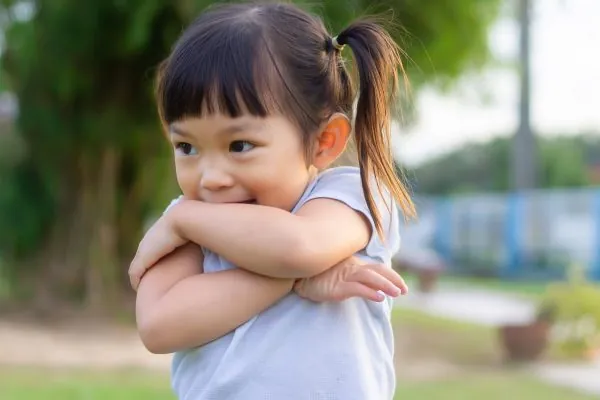
Why social-emotional development matters in early childhood
More than keeping children in line, social-emotional development is about teaching young minds on how to express their unique emotions, build meaningful friendships, resolve conflict, and recover from setbacks.
A child who has successfully developed a strong social-emotional system understands how to say “I’m upset because I didn’t get a turn” instead of throwing a toy across the room. Such development not only fosters a more conducive classroom and home learning environment, but also benefits the child by letting their needs be heard so that they can receive help from their teachers and parents. In addition, research has consistently shown that social-emotional competence is linked to better academic performance, stronger mental health, and long-term life success.
On the other hand, a child who struggles to manage their emotions may react with tantrums, leading to more peer conflict and less engagement in classroom learning. Over time, this can create a cycle of frustration and exclusion that impacts the child’s overall development. More than a “soft” skill, social-emotional development is a foundational life skill—one that early childhood educators play a critical role in shaping.
Understanding child behaviour issues and classroom disruptions
Whenever children talk out of turn, wander around during lessons, or appear disengaged, their behaviour can not only impact their own learning outcomes but influence their classmates as well. But it’s important for teachers to understand that these behaviours often stem not from defiance, but from unmet emotional needs, unclear expectations, or underdeveloped social skills.
For instance, a child who frequently interrupts may never have been taught how to take turns in conversation. Another who avoids group activities might be feeling overwhelmed, anxious, or left out, but lacks the words or confidence to express these emotions. Receiving harsh discipline or public reprimands from teachers and parents may lead to temporary silence, but can also instill shame and create emotional distance.
With consistent, empathetic support, educators can create a safe space where children feel seen and heard. Over time, this sense of security encourages them to express themselves more constructively. A child who once acted out in frustration may begin to ask for help, wait their turn, or find comfort in the classroom routines—small but meaningful steps in their social-emotional journey.
Practical strategies for preschool classroom management
Warm, responsive relationships form the foundation of effective classroom management. Here are some ways preschool teachers can make children feel safe, valued, and understood in the classroom so that they will be more likely to respond positively to guidance.
Make expectations visible and collaborative
Preschoolers are still learning what appropriate behaviour looks like—and more importantly, why it matters. Rather than simply enforcing hard rules, involve children in their creation so that they can understand why certain rules are in place. Such rules can also be revisited through visuals and stories to reinforce expectations.
Co-creating classroom rules also builds a sense of ownership and encourages children to think about fairness, empathy, and responsibility. As Ms R. Vathsala Naidu, Senior Lecturer at NIEC (City) Campus, explains:
“Children need to see rules not as restrictions, but as agreements they help build. When rules are co-constructed, it becomes easier for educators to guide behaviour in ways that feel respectful and consistent.”
Ms Vathsala, Senior Lecturer at NIEC
Acknowledge and reinforce positive behaviour
Children thrive on affirmation. Recognising positive behaviour often creates more lasting results than punishing bad behaviour. Praise that is timely, specific, and sincere can therefore go a long way in shaping how children regard themselves and determine which behavioural patterns they default to.
For example, thanking a child for waiting their turn helps a child understand the value of cooperation by acknowledging a child’s effort and building links between their behaviour and outcomes. This allows children to understand their role within social groups. Over time, affirming interactions strengthen internal motivation by letting children feel noticed for who they are becoming, and not just what they do.
“Refrain from assuming children know how to behave appropriately. Verbally validate or acknowledge their efforts, and share the child’s progress with his parents for further positive reinforcement.”
Dr Yvonne Chan, Senior Lecturer at NIEC
Adapt the environment to reduce stressors
Disengagement, restlessness, or being emotionally reactive are often ways for children to express themselves when something feels ‘too much’. Especially at an age where sensory systems are still developing, things that adults are accustomed to such as bright lights, loud noise, crowded spaces, or even having too many choices may be overwhelming to young minds. What is often regarded as bad behaviour are often a child’s attempts at regaining a sense of balance or control.
“Implementing predictable routines with clear expectations can create a sense of stability and safety, which are essential for children’s social-emotional growth."
Ms Vathsala, Senior Lecturer at NIEC
This is why it’s important to regularly assess the classroom and home environment with fresh eyes. Consider how easy it is for children to move around, whether they have spaces to rest and regroup, and if the materials are engaging but not overstimulating. Small adjustments, like creating a quiet nook, simplifying visual clutter, or providing more space between seating areas, can significantly ease emotional strain.
Model emotional regulation
Much of a preschooler’s learning comes not from instruction, but from watching how adults handle emotional situations in real life. Educators who respond to frustration or conflict calmly and deliberately will foster similar behaviour amongst children who are constantly observing them. Educators can also teach appropriate methods of self-expression by using age-appropriate scripts such as “I’m upset, so I’m going to take a deep breath”.
Over time, such modelling helps children build emotional vocabulary and feel safe expressing their own needs and frustrations after seeing how an authoritative figure has done so successfully.
“By modelling calm and respectful responses, educators help children learn how to manage their own emotions and build positive social behaviours.”
Ms Vathsala, Senior Lecturer at NIEC
“A child who feels secure and has a sense of belonging is more likely to trust the educator and follow his or her guidance.”
Dr Yvonne Chan, Senior Lecturer at NIEC
Empowering educators to shape emotionally resilient children
.Beyond managing behaviour, social-emotional development involves nurturing a child holistically. With a strong understanding of a child’s inner world and cognition, preschool teachers can exercise their own empathy muscles and help children develop confidence and resilience that they will carry for life.
Learn how you can play an active role in shaping confident, emotionally resilient learners at the Supporting Social and Emotional Development of Preschoolers short course. Chinese-speaking educators may also check out the Mandarin version of the course.