
Articles
A Look into the Mirror: The Image of a Child as a Capable and Curious Leader
How we perceive children in their early stages of development shapes the learning opportunities we create for them. NIEC (NP) Lecturer Ms Shron Sugumaran shares how reframing the image of the child can build children’s confidence and support their development.
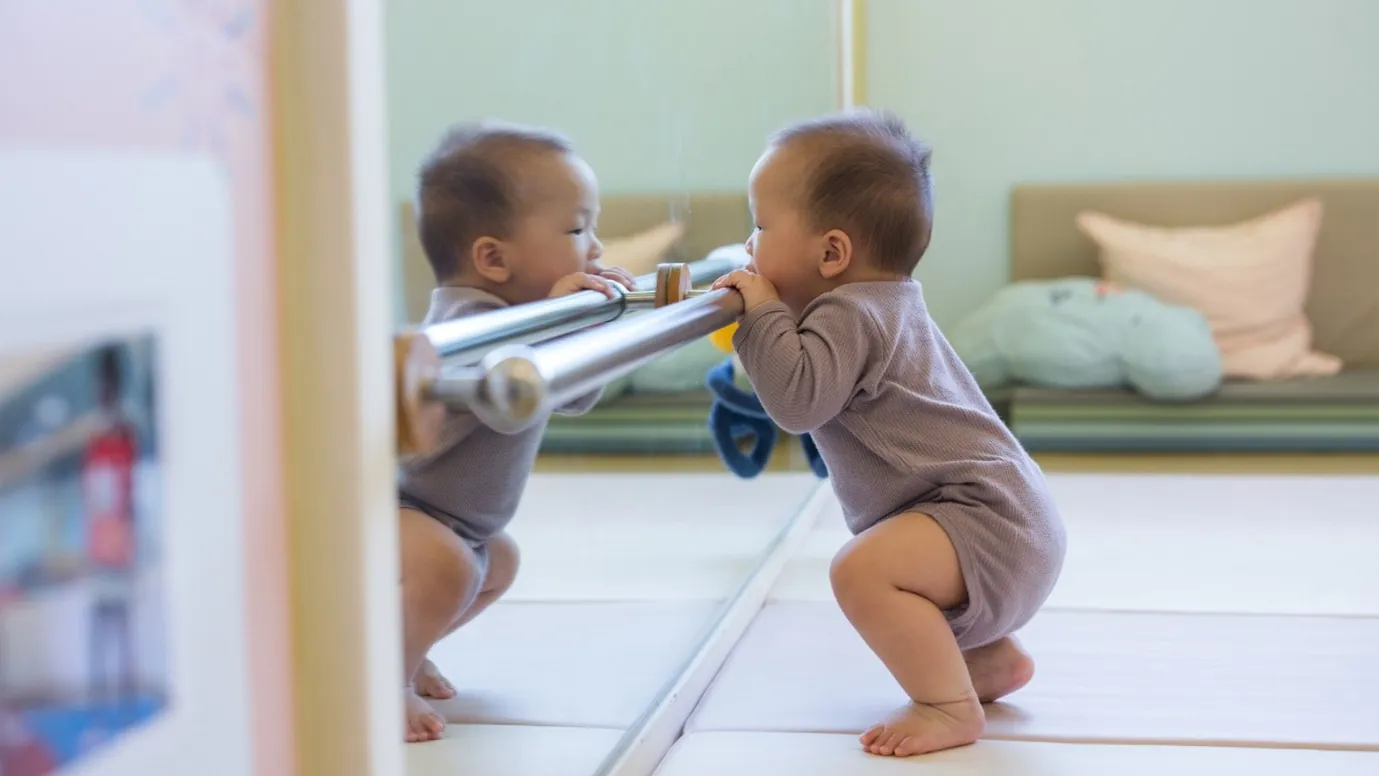
The Mirror Within
It is still common to hear people describe children as “sponges” or “blank slates”. These metaphors, though well-intentioned, come from an earlier view that children must be filled by adults before anything. If we travel back in time — long before most of us were born — early childhood education in the 1940s largely revolved around care rather than curriculum. Caregivers ensured children were fed, cleaned, and rested. The focus was on meeting basic needs, not on engaging the child’s mind or imagination.
But the 20th century saw a new wave of thinking. The works of Piaget, Vygotsky, Dewey and the educators at Reggio Emilia began to shift our image of the child. They invited us to see children not as empty vessels, but as capable and curious learners; active participants in their own learning from infancy. Instead of controlling the child’s experience, educators began to shape the environment — a rich and responsive space that invites exploration, interpretation, and dialogue. When learning environments are intentionally designed to support curiosity, children naturally become active learners, engaging in problem-solving, questioning, and meaning-making. They do not merely learn from the world; they learn with it.
Reflection of Mind, Reflection of Meaning
Neuroscience and developmental psychology affirm what many early educators have long felt: even infants are capable of independent thought. During the early years, the brain’s neural connections multiply at a rapid speed. By toddlerhood, most of the neural pathways that will serve them for life are already formed — laying the foundation for higher-order thinking, problem-solving, and imagination.
Piaget’s stages of cognitive development remind us that children first learn through movement and the senses before abstract thought develops. A baby who shakes a rattle repeatedly is not simply playing — she is forming a hypothesis, testing cause and effect, and engaging in reasoning at her own scale. Have you seen how even a one-year-old can wipe the tears off someone’s face?
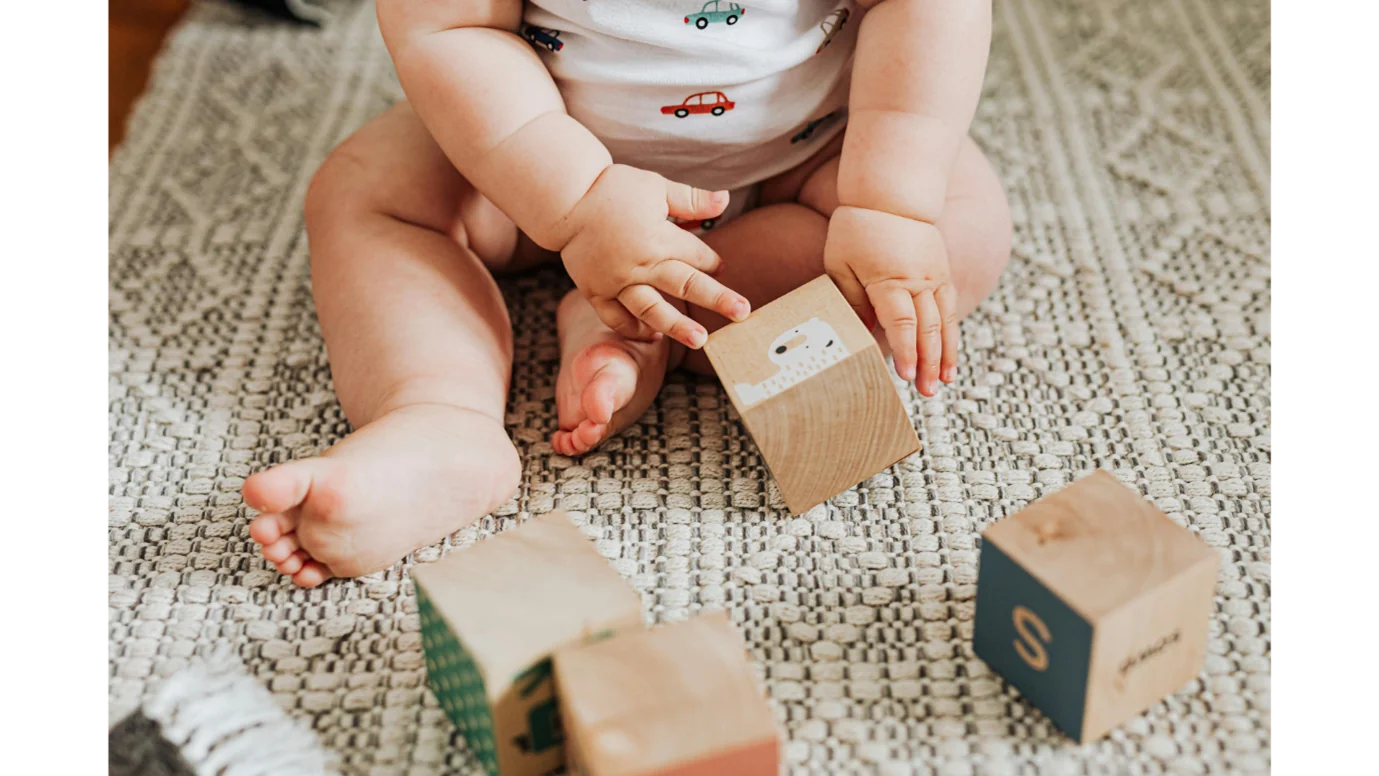
From birth, children can read social cues, respond to emotions, and construct meaning through relationships. They are not passive receivers of experience but active interpreters — already beginning to build theories about how the world works.
The Ones Who First Held the Mirror
Our understanding of the capable child owes much to a few remarkable theorists. Piaget emphasised how children construct knowledge through interaction with their environment. Vygotsky expanded this by showing that learning is inherently social — that every child learns best in the company of others, through dialogue, language, and collaboration. His idea of the Zone of Proximal Development taught us that children’s growth unfolds most meaningfully in relationship — guided not just by teachers, but by peers, parents, or anyone who serves as a more knowledgeable other.
Montessori education carried this idea further, trusting that independence and curiosity are innate. Reggio Emilia educators later celebrated children as citizens of today who are full participants in the life of their communities. Every time we watch an infant struggle, then succeed, in turning from belly to their back, we witness competence in its purest form — the determination to act, learn, and understand.
Wiping the Fog from the Mirror
“When we change the way we look at things, the things we look at change.”
– Dr Wayne Dyer
Our image of the child influences everything: how we plan, teach, observe, and interact. When we see a child as a “blank slate”, we fill their mind with information — planning activities to cover content. But when we see a child as capable and curious, we fill their day with experiences that invite discovery, uncovering learning. This perspective also reshapes how we interact. Seeing the child as competent means speaking with them, not at them. It means asking questions that provoke thinking, rather than giving answers that end it.
As educators, we must learn to pause our impulse to intervene – to “step back so that the child may step forward”. The teacher’s role is no longer to stand at the head of the classroom and instruct children, but to kneel beside the learner — guiding, observing, facilitating. Educators, too, must unlearn the old script of “Do as you’re told. Speak only when spoken to” and critically reflect on our own learning experience when young. In modern early education, we are no longer gatekeepers of knowledge; we are co-explorers on the journey of learning.
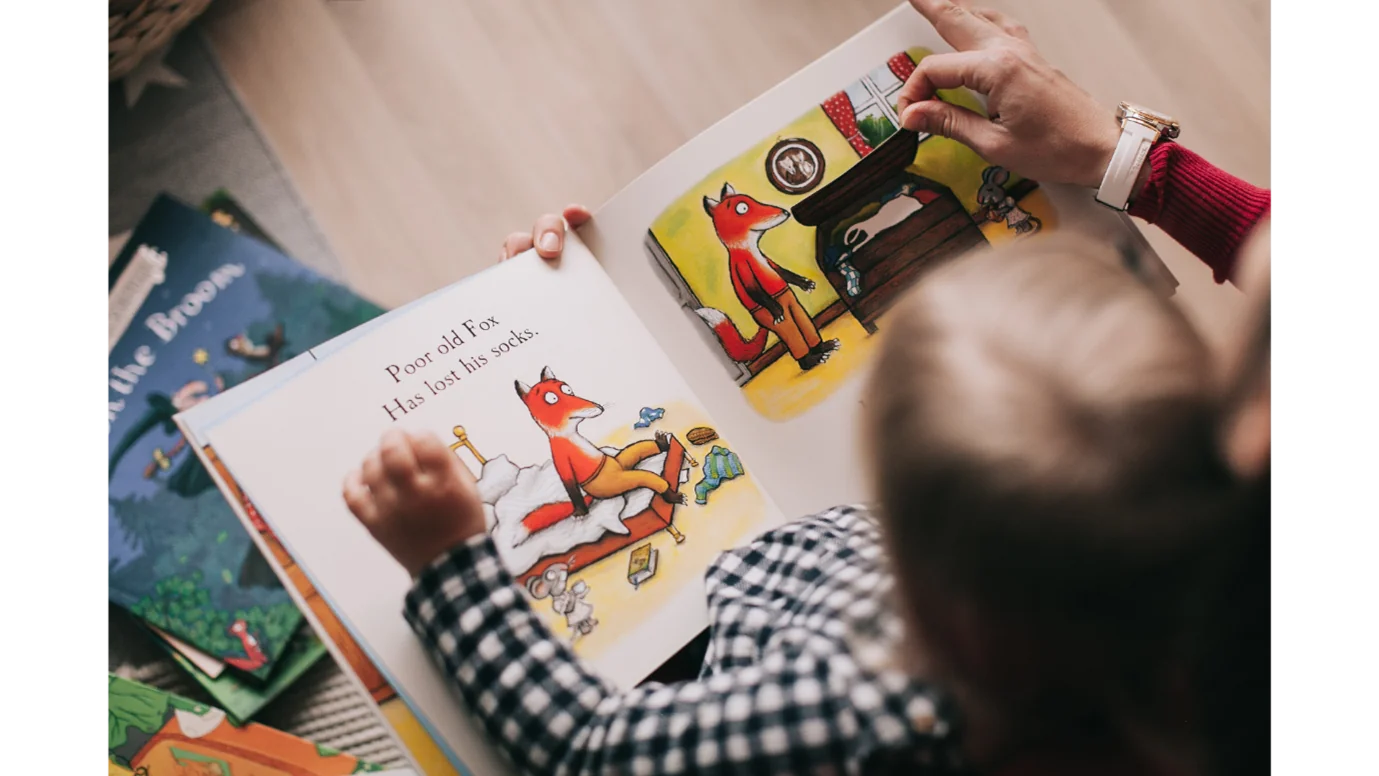
Curriculum as Mirrors and Windows
The image of the child as capable and curious learners is central to the way we design curriculum and early learning environments. In Singapore, this mindset is already reshaping Singapore’s early childhood landscape. Through innovation funds and project-based learning, children are increasingly seen as active contributors of their learning. We see it in children who help develop class rules, who proudly lead their parents on tours of their learning spaces, and who propose how their environments might be designed.
Design early learning environments and interactions centred around this image of the child
Our environment, as the third teacher, can also serve as mirrors and windows to the childcare learning community. Mirrors reflect children’s identities, cultures, and voices. When their artwork, photos, and stories are displayed at their eye level, they see themselves as valued participants in their world. Windows open to new perspectives, allowing children to encounter the unfamiliar — ideas, cultures, and experiences beyond their immediate lives.
Balance guidance with giving children space to explore and express their own ideas
Educators can translate into practice by curating open-ended materials, loose parts, and flexible spaces that support child-centred learning. Signs beside an unfinished structure that read “Work in progress — please don’t touch” show children that their creations matter. Most importantly, educators must stay anchored to their image of the child and philosophy of teaching. These guide every decision — from how we design the physical environment to how we scaffold thinking. Instead of instructing, “Stack this next,” we might ask, “I wonder what will happen if…?” Such questions transform teaching into a shared experience and encourage children to take the lead.
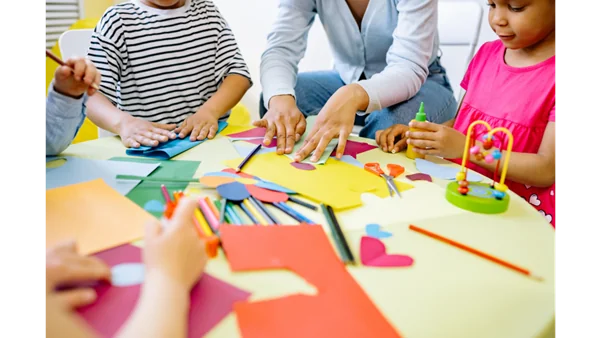
Mirrors at Home
Families hold the power to extend this image of the competent child beyond the classroom. When home and school both value children as thinkers and decision-makers, children learn that their ideas matter. Parents can nurture this by encouraging problem-solving rather than offering immediate solutions.
The next time your child faces a challenging situation, try asking, “What do you think we can do next?”
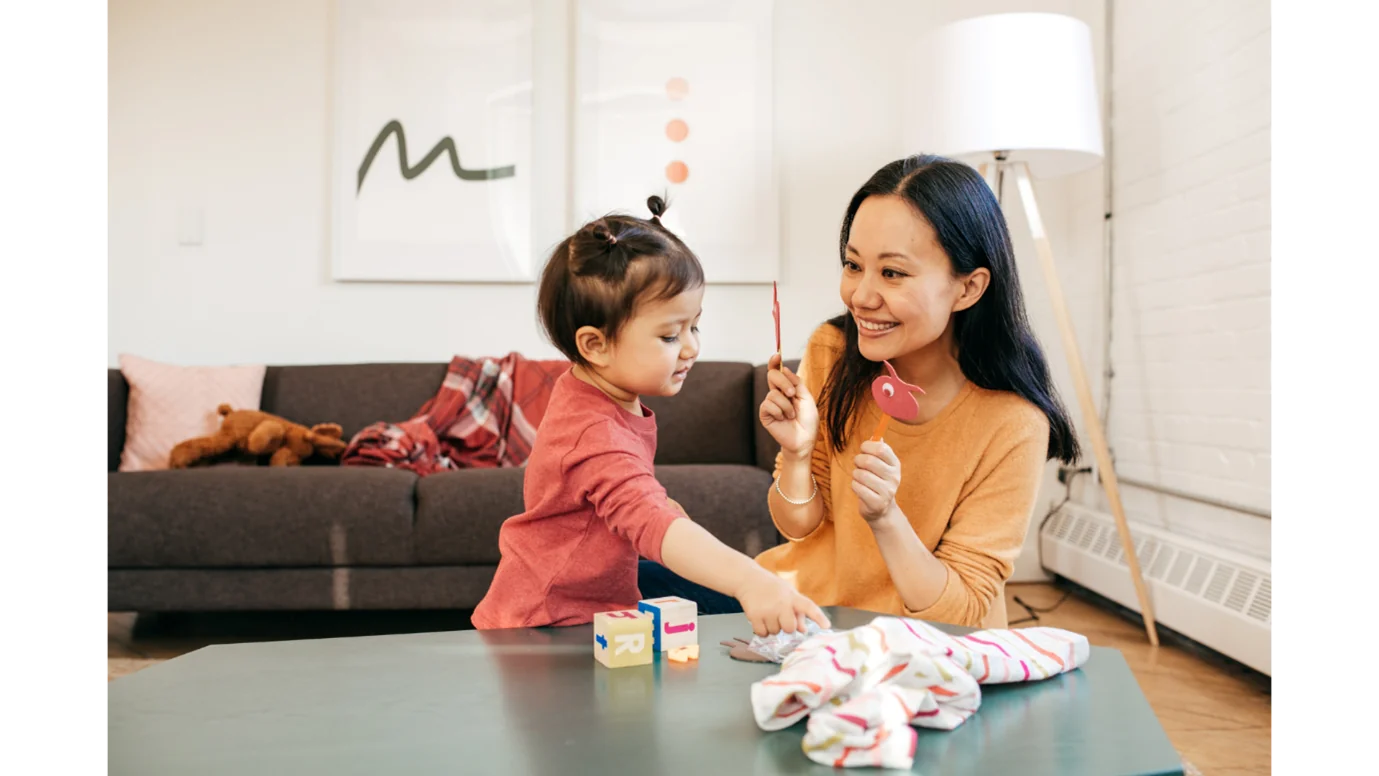
At first, the question may puzzle them, but soon it becomes a habit of mind, a way of approaching challenges with curiosity and confidence. Child agency grows in environments where effort is celebrated as much as success. When adults honour a child’s attempt — no matter the outcome — they build resilience, persistence, and self-belief.
And as much as structured enrichment is valued, let us not forget the richness of unstructured experiences: exploring nature, playing outdoors, getting messy, asking questions. These are not luxuries; they are necessities for building capable, courageous minds and resilience. Children thrive when they see the world as a place they can influence — not just observe.
The Mirror Within
The image of the child we hold is a mirror to our image of ourselves. When we choose to see children as curious, capable, and resilient, we also inadvertently reclaim those qualities within us. Every interaction — every “Why?”, “How?” or “Look what I did!” — invites us to see the reflection of possibility.
Our philosophy of education is shaped by our conversations from peering through windows and viewing the mirror; the mirror shows us who we are, and the window reminds us of who we might still become.
ABOUT OUR EXPERT
 MS SHRON SUGUMARAN
Ms Shron is a Lecturer at the National Institute of Early Childhood Development – Ngee Ann Polytechnic (NIEC (NP) Campus). With over 15 years of experience, she has developed key courses at NIEC and specialises in motor skills development, birth to three and multicultural learning. She teaches with curiosity and empathy, encouraging risk-taking and learning through failure, while nurturing children’s instinct to explore and grow through movement.
To better support children through their early stages of development as an educator, explore NIEC’s CPD courses here.