
Articles
What Inclusive Practice Looks Like in Early Childhood Classrooms
Classrooms today are more dynamic than ever. From varying learning styles to differing emotional needs and language abilities, early childhood educators are constantly adapting to support every child in their care. On any given day, a teacher might be guiding a child who does not speak English fluently, calming another through a meltdown, and supporting a third who only engages when music is playing—all while staying on track with the lesson plan.
Ms Michelle Foo, Lead Lecturer at NIEC (NP), shares her expert perspectives on how inclusive practice, culturally responsive teaching, and differentiated instruction can equip educators to meet these evolving challenges. In this article, we unpack her insights and explore practical ways to create inclusive, supportive classrooms where every child can thrive.
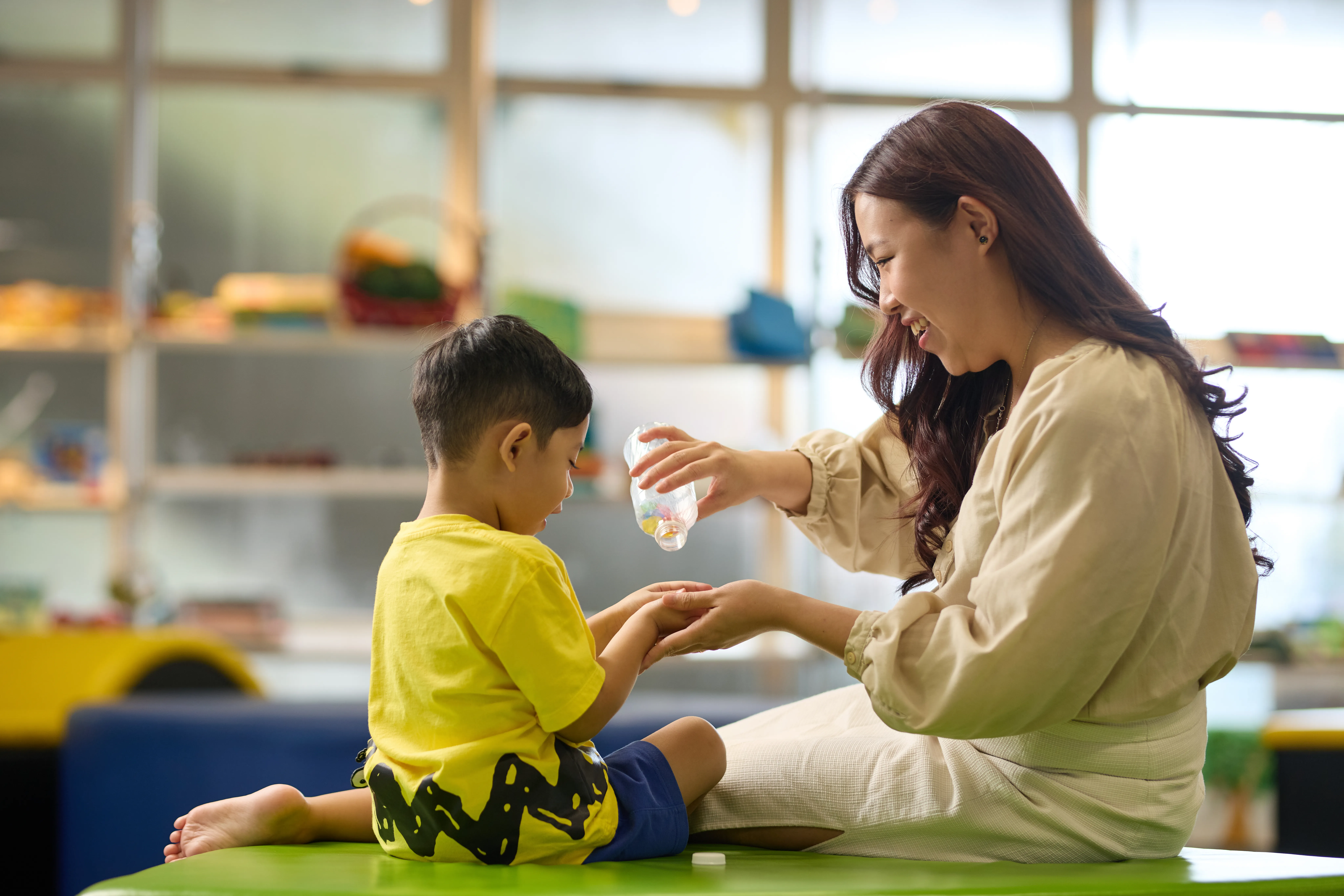
Sense of belonging in inclusive classrooms
Inclusivity in early childhood education goes beyond teaching pedagogy, but whether teachers can connect in a way that recognises each child’s unique identity. As Ms Michelle Foo puts it, “It’s not just about inclusion—it’s about belonging”. And belonging begins when children see themselves reflected in the classroom.
This can be achieved by reading cultural stories, singing songs tied to festivities, or introducing traditional games during play. Educators have also found that inviting families to share their cultural practices can turn classroom themes into rich, personal learning moments. Such efforts show a child that their identity matters, and create an environment where they feel safe and ready to learn.
“When we introduce these festivals and children are aware of these differences, we are making them aware of the diversity amongst them… different but still the same in many ways!”
– Ms Michelle Foo
Supporting non-english speaking children
Not all children begin preschool with the same language foundation. For those who do not speak English at home, everyday classroom interactions can feel unfamiliar or even overwhelming. Without the right support, this language gap can affect how they follow instructions, express themselves, or take part in group activities.
That is why it’s important for early childhood educators to apply strategies that ease the learning curve and support confident communication—while building a safe and inclusive space for every child to thrive.
“In my experience, guiding children whose first language is not one of Singapore’s official languages can prove challenging. But through patient reinforcement of the English language both at school and home, it is possible for children to learn to communicate confidently.”
– Senthil Kumar Santhiya, Certificate in Inclusive Practice (CIP) graduate.
Use visuals, gestures, and repetition
Visual aids, such as hand gestures and pictures, can greatly accelerate language acquisition, especially when paired with consistent routines. For example, pointing to a picture of food during “snack time” or miming an action like “wash your hands” helps children build word associations more easily over time.
Pairing up with language buddies
Children who are still learning English can benefit from being paired with peers who model language use in a warm and non-intimidating way. These pairings help build social connection and boost confidence, while also encouraging empathy and cooperation among classmates. Rotate pairings regularly to foster stronger peer relationships and prevent feelings of isolation.
Create a rich linguistic environment
Label common classroom items with both words and pictures to help children link objects with new vocabulary in a low-pressure way. For example, shelves marked with both the word “books” and a simple icon reinforce learning through repeated exposure. By paying attention to how children describe these objects and responding warmly, teachers can build trust and help children build confidence in expressing themselves.
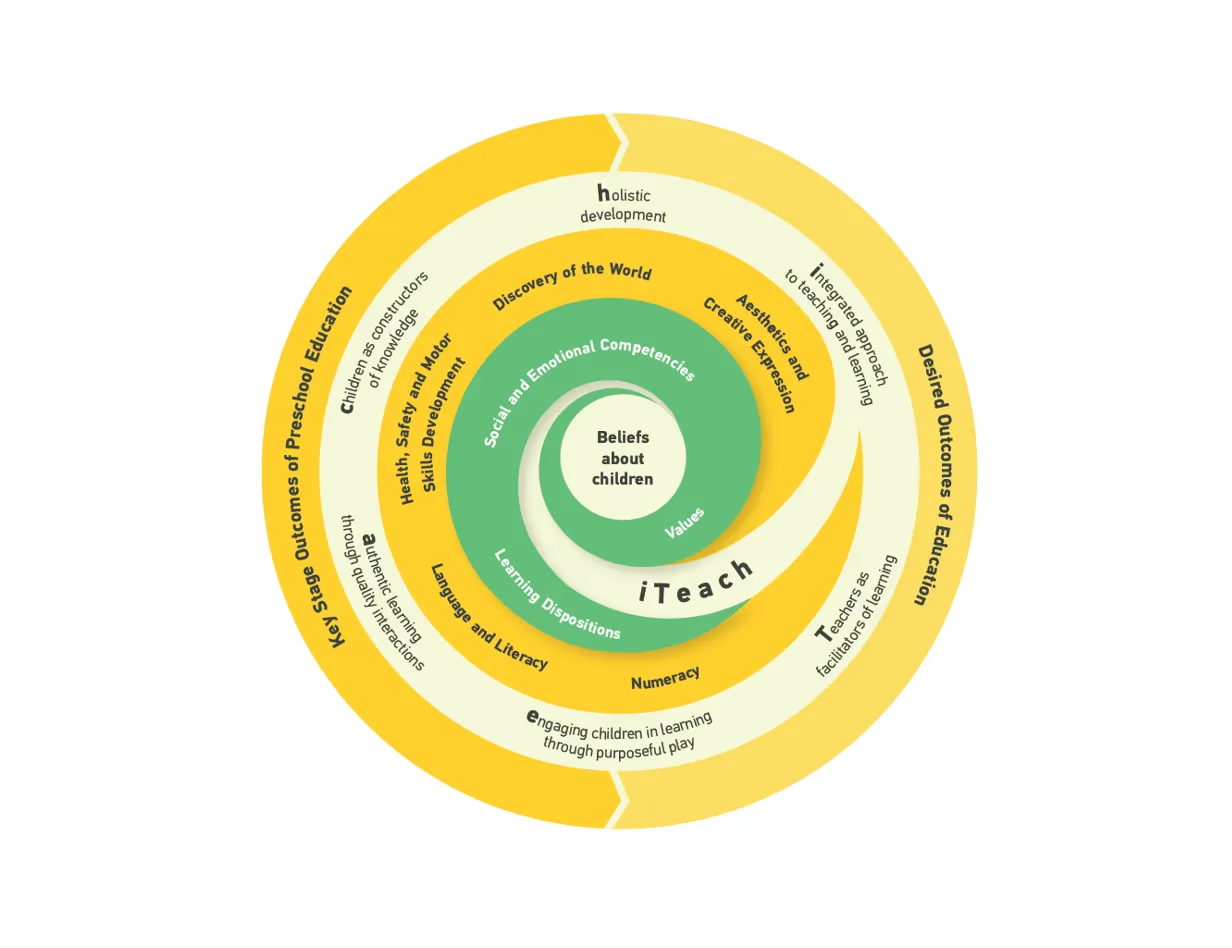
The Nurturing Early Learners (NEL) Framework Spiral by the Ministry of Education (MOE)
Supporting diverse learning abilities
When assembling IKEA furniture, some adults prefer diving straight in while others carefully study diagrams or step-by-step instructions. Similarly, children approach learning in their own unique ways. Understanding varied learning styles can maximise the wide range of abilities that children bring to the classroom, allowing every child to realise their potential through meaningful engagement with learning.
“Personally, I celebrate the uniqueness of each child. With this mindset, you learn to communicate with parents positively, highlighting areas that their child needs to work on without putting them down.”– Ms Michelle Foo
Designing inclusive physical environments
The classroom environment plays a significant role in learning and emotional regulation. Quiet corners, beanbags, and soft lighting can account for children with added needs, ensuring that everyone feels comfortable despite mobility limitations or sensory sensitivities.
Introducing multi-sensory activities
Engaging children through multiple sensory channels can significantly improve understanding and retention. For example, a literacy lesson might combine storytelling to appeal to auditory learners, singing to engage rhythm and music lovers, and letter tracing to support tactile learners. Exploring and tailoring activities to individual interests can prevent lessons from feeling stagnant while making them more impactful.
Setting up flexible learning corners
Flexible learning corners give children the autonomy to engage with concepts in ways that feel natural and meaningful to them. Rather than a one-size-fits-all approach, these spaces offer multiple pathways for exploration—whether through movement, storytelling, building, drawing, or quiet reflection. When thoughtfully designed, each corner becomes an opportunity for self-directed learning, where children can deepen their understanding at their own pace and in their own way.
Encouraging social inclusion
Social inclusion is essential to fostering a sense of belonging within children. Inclusion can be embedded into peer relationships through buddy systems, cooperative games, and circle time sharing encourages children to support one another, build empathy, and appreciate diverse perspectives. These social connections strengthen the classroom community and help all children thrive together.
Implications for educators: A call to reflect
Inclusive teaching begins with reflection. Early childhood educators should continuously reflect on how their own cultural backgrounds, values, and assumptions may influence interactions with children and families. In turn, this self-awareness can help teachers make more intentional, respectful choices in the classroom.
After all, building inclusive environments requires a sustained commitment to professional learning and collaboration. When educators exchange ideas, observe one another’s practice, and remain open to feedback, they create space for growth both for themselves and the children they support.
Explore NIEC’s Inclusive Practice CPD Courses or obtain the Certificate in Inclusive Practice (CIP) as you move forward on your journey towards building inclusive classrooms.
“Despite coming from a different sector, my experience as a construction admin taught me collaborative and organisational skills that have been useful in task prioritisation and navigating unexpected classroom dynamic challenges. Being able to make a meaningful impact in the lives of children keeps me moving forward and committed to continuous growth.”
– Senthil Kumar Santhiya, Certificate in Inclusive Practice (CIP) graduate.
 MS MICHELLE FOO
Ms Michelle is a Lead Lecturer at the National Institute of Early Childhood Development (NIEC). With 33 years of teaching and leadership experience in international and local childcare and kindergarten, her varied experiences have prepared her to train and inspire pre-service and in-service educators to foster an inclusive learning environment.